
AI transformation intelligence for logistics & supply chain
Last-mile delivery accounts for 50%+ of total delivery costs. Explore benchmarks, global leaders, and transformation opportunities across 8 logistics sub-verticals.

The landscape
UPS processes 1+ billion data points daily. Amazon's AI mapping covers 2.8M apartment addresses. Yet neither has cracked last-mile in the Philippines, where archipelago geography drives costs to 40% of total shipping. The next revolution is inventing new models, not perfecting old ones.
Explore sub-verticals
Deep-dive into benchmarks, leaders, and transformation opportunities for each logistics segment.

Route optimisation, delivery time windows, and micro-fulfillment strategies.
Explore →
Freight rates, transit times, carrier selection, and document automation.
Explore →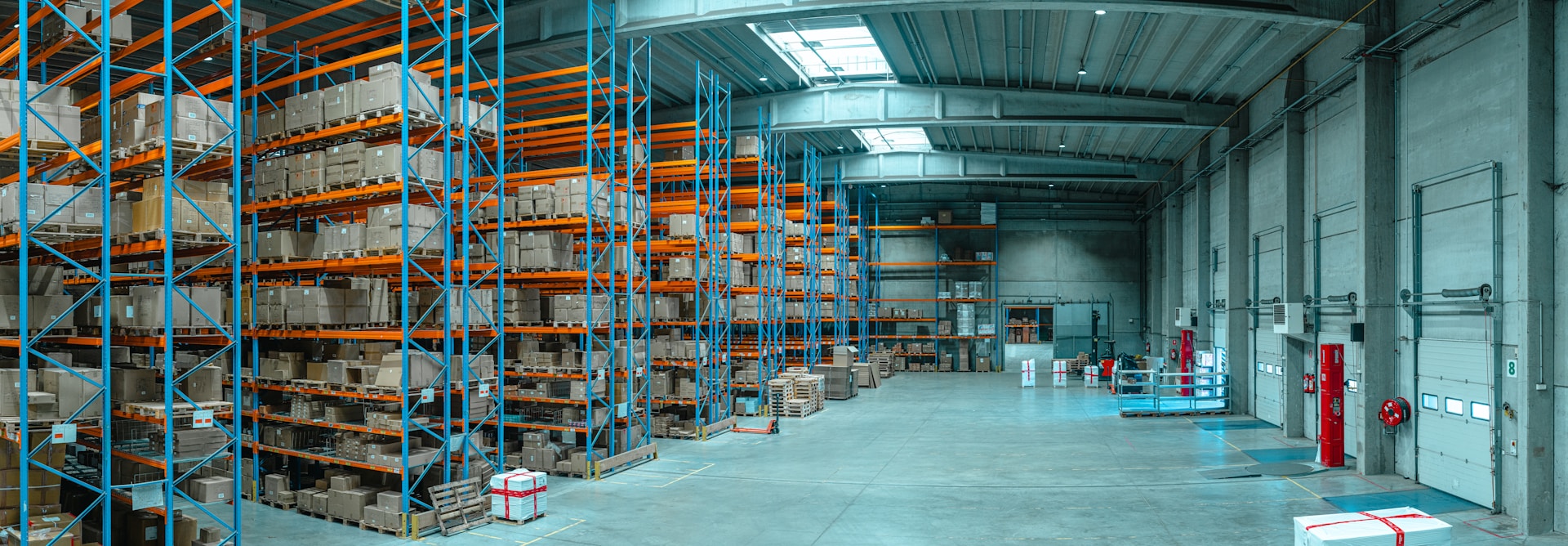
Pick rates, inventory accuracy, space utilisation, and robotic automation.
Explore →
Fleet utilisation, fuel costs, predictive maintenance, and driver behaviour.
Explore →
Temperature compliance, spoilage prevention, and real-time monitoring.
Explore →
Customs clearance, HS code classification, and trade document automation.
Explore →
Return processing, value recovery, and customer satisfaction.
Explore →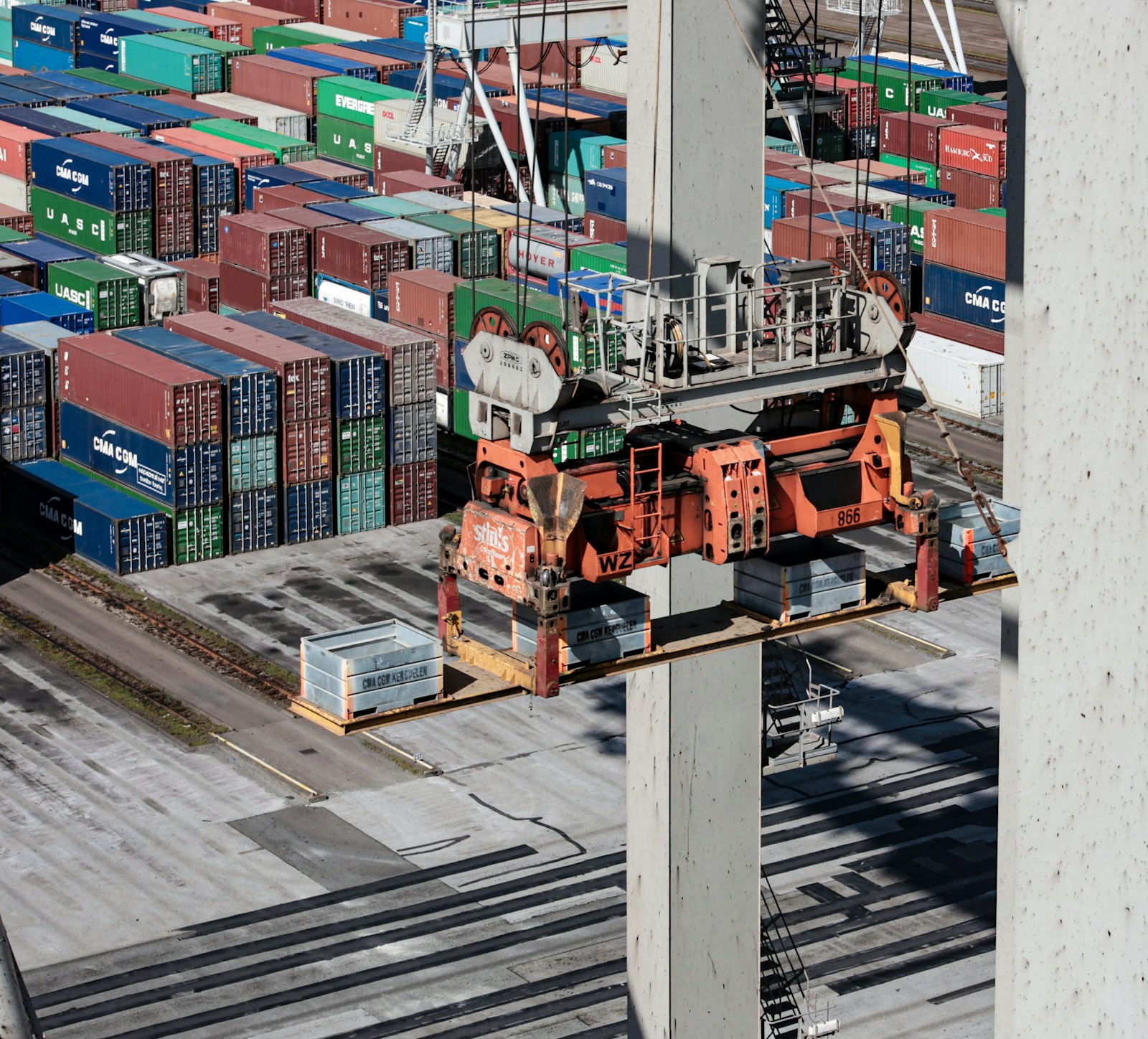
Vessel turnaround, crane productivity, and yard utilisation.
Explore →The challenge
Logistics operations face manual bottlenecks that drive up costs and limit growth.
Dispatcher time consumed by manual route planning every day — time that could be spent on exception handling and growth.
Fuel costs running 4 points above industry benchmark due to suboptimal routing and lack of real-time optimisation.
Customer service teams handling 150+ "where is my delivery?" calls per day that self-service tracking would eliminate.
What XI identifies
Xamun Intelligence maps the opportunity landscape for logistics operations.
Analyses current routing patterns against optimal paths. Identifies fuel waste, time inefficiency, and capacity underutilisation across the fleet.
Benchmarks fuel costs against industry standards. Identifies the gap between current spend and achievable optimised costs.
Quantifies manual status enquiries and maps call patterns. Identifies the volume and cost that self-service tracking would eliminate.
What the Factory builds
AI systems scoped, specified, and delivered in weeks — not months.
AI-powered dispatch with real-time route optimisation. Dynamic rerouting based on traffic, weather, and delivery windows. Fuel consumption reduced toward benchmark.
Customer self-service tracking with live ETAs. Automated notifications at key milestones. Status calls eliminated through transparency.
Digital capture and automated processing of proof-of-delivery. Integrated invoicing triggered on delivery confirmation. End-to-end audit trail.
Outcomes tracked
Every system includes built-in measurement so you know what is working from Day 1.
Fuel costs reduced toward industry benchmark through optimised routing.
Customer status calls eliminated through self-service tracking and automated notifications.
Dispatcher time redirected from manual route planning to exception handling and growth.
Cross-cutting themes
Common patterns across all logistics sub-verticals that Xamun addresses.
EU carbon tracking, emission limits, driver rest rules, customs regulations. Every system accounts for the regulatory environment.
Route optimisation, demand forecasting, IoT telematics, and driver behaviour coaching recur across every sub-vertical.
Developed markets optimise existing networks. Developing markets invent new models: Kirana partnerships, micro-fulfillment, SMS-based tracking.
Related insights
Deep analysis of logistics AI transformation across markets.
Why the next logistics revolution will be built in Manila, not just Munich — and where the models converge.
Read Article →We build it, run it with your team — and you pay per shipment moved.
No upfront CAPEX — we invest the build ourselves. Once it’s live, you pay a small toll per shipment, delivery or move the system processes the system processes: a small fraction of the value each one creates. A slow month means a small invoice; if it doesn’t run, you don’t pay.
We’re not a vendor shipping software into your operation. For the operation we run, we’re part of your company — in your numbers every week, paid only as they move. Where counts like these aren’t the honest measure, we price it as a fixed project instead; the accountability doesn’t change, only how you pay.
Discuss your logistics challenge
Book a discovery call to explore how Xamun can help your logistics operation optimise routes, automate dispatch, and eliminate manual processes. No upfront cost — you pay only when the system runs.